
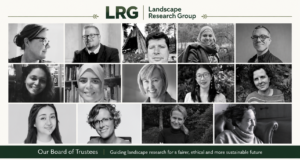
Help shape the future of LRG
The Landscape Research Group is seeking new trustees to help shape the future of landscape research. Join our international Board and contribute to research, publications, governance and community development while supporting an independent charity with a growing global reach.
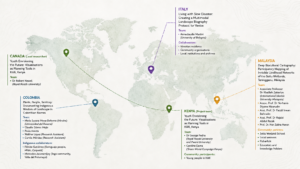
LRG Research Fund 2026: Four projects selected to pioneer new approaches to landscape research
From Colombia and Malaysia to Italy, Canada and Kenya, this year’s Landscape Research Group Research Fund supports four outstanding projects that are reimagining how landscapes are understood, documented and transformed. Chosen from 70 applications, the successful proposals span Indigenous knowledge, urban heritage, community resilience and participatory landscape planning, reflecting LRG’s commitment to funding internationally collaborative research with lasting impact.

July Trustee Spotlight
Dr Merham Keleg is an interdisciplinary landscape researcher exploring the relationships between people, place and culture through collaborative, internationally connected research. As an LRG Trustee and Research Lead, she oversees the Group’s annual research funding programme while helping to build global collaboration through events, publications and international partnerships.

Landscape, culture and the art of seeing
What do people from different cultures see when they look at the same landscape? As landscape research becomes increasingly international, new studies are revealing both shared patterns of appreciation and culturally distinctive ways of understanding place, enriching rather than replacing existing knowledge.

June Trustee Spotlight
This month we introduce Dr Charlotte McLean, who shares her perspective on combining landscape practice with research, supporting independent scholars, and the value of international exchange within the landscape community. Charlotte also reflects on her own research journey and the role LRG can play in helping researchers find connection, collaboration and a sense of academic belonging.

Can an off-the-shelf AI system meaningfully support a small research organisation?
As AI becomes part of everyday organisational work, how do small research organisations decide where it is genuinely useful, where it is risky and where human judgement remains essential?